Sport science is a multidisciplinary field that studies the human body in motion. It brings together areas such as anatomy, physiology, psychology, biomechanics, data science, and technology to understand how people move, perform, and stay healthy. In recent years, the field has also expanded to include sport management, which focuses on the organization and development of sporting activities. Sport science can be applied to athletes with a focus on injury prevention, rehabilitation, and maximization of performance as well as to the general public for the promotion of health.
Ancient Greece is often considered the birthplace of sport science with physicians like Hippocrates, who lived about 2,400 years ago, emphasizing human body movement (physical activity) as essential for health. The first research projects in sport science in the modern times were conducted at the Harvard Fatigue Laboratory, in the USA between 1945 and 1950. Further groundbreaking work in the 1950s and 1960s, particularly in Scandinavia (Sweden and Denmark), significantly shaped modern understanding of training, endurance, and health. Nowadays, sport science is widely recognized as a standalone profession. There are many research groups conducting world class research and many universities across the globe offering both undergraduate and postgraduate programs in sport science.
One of the goals of the UAE Sports Vision 2031 is increasing the number of Emirati athletes competing at the Olympic Games. Sport Science plays a crucial role in achieving this goal through talent identification, long-term athlete development and the optimization of performance. Sport science provides the knowledge, the tools and the methods to screen the athletes, identify those with the highest potential and train them properly in order to achieve their potential.
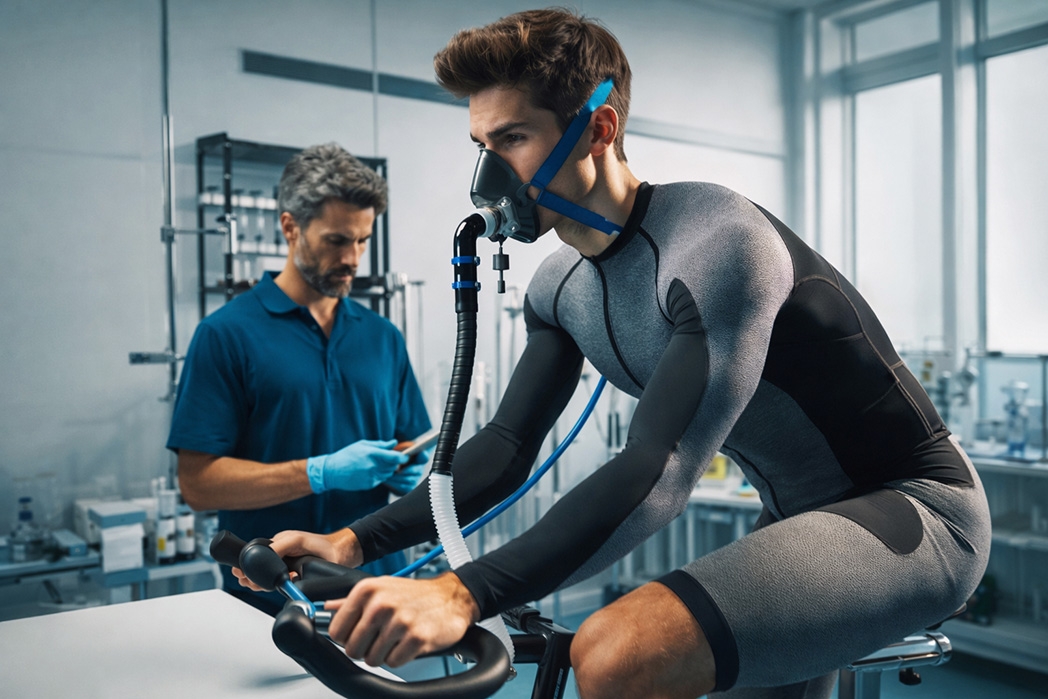
Modern athletes use wearable technology and other devices to monitor their physiological responses during and after training. They also monitor how they sleep and eat. This data helps coaches and scientists assess wellbeing, reduce injury risk, and design individualized training programs. Today, artificial intelligence (AI) is also increasingly used by sport scientists to predict injury risk and optimize training loads.
Top teams like Real Madrid and Manchester City employ a large team of scientists who collect and analyze all this data from their players. The expert sport scientists translate the signals from all devices into meaningful solutions for proper training and recovery. By applying these approaches, they ensure players’ health and the maintenance of high performance. In individual sports such as high jump, for example, sport scientists use simulation modelling to identify the best technique tailored to the individual. This approach will maximize the chances of reaching peak performance and ultimately achieving success at major competitions, including the Olympic Games.
Another key pillar of the UAE National Sports Vision 2031 is increasing participation in physical activity. This is of high importance given that the diseases of the cardiovascular system (heart attacks and strokes) are the leading cause of premature death in the UAE.
Decades of outstanding research has proven the role of physical activity in health. One of the most famous research projects is the Harvard Alumni Study of male Harvard University undergraduates, launched in the 1960s. In this research, scientists tracked physical activity and health over decades to examine links between physical activity and longevity (living a long life). Their results showed that those individuals who were doing more physical activity had a greater chance of living longer compared to those who were less active. More recent research shows that regular physical activity can reduce the risk of occurrence of some types of cancers and this finding has significant impact on human lives. Overall, scientific knowledge shows that individuals who engage more with physical activity daily will live a longer and better life!
Sport science provides evidence-based strategies to design safe, effective, and enjoyable physical activity programs, supporting healthier lifestyles and improving quality of life for people of all ages.
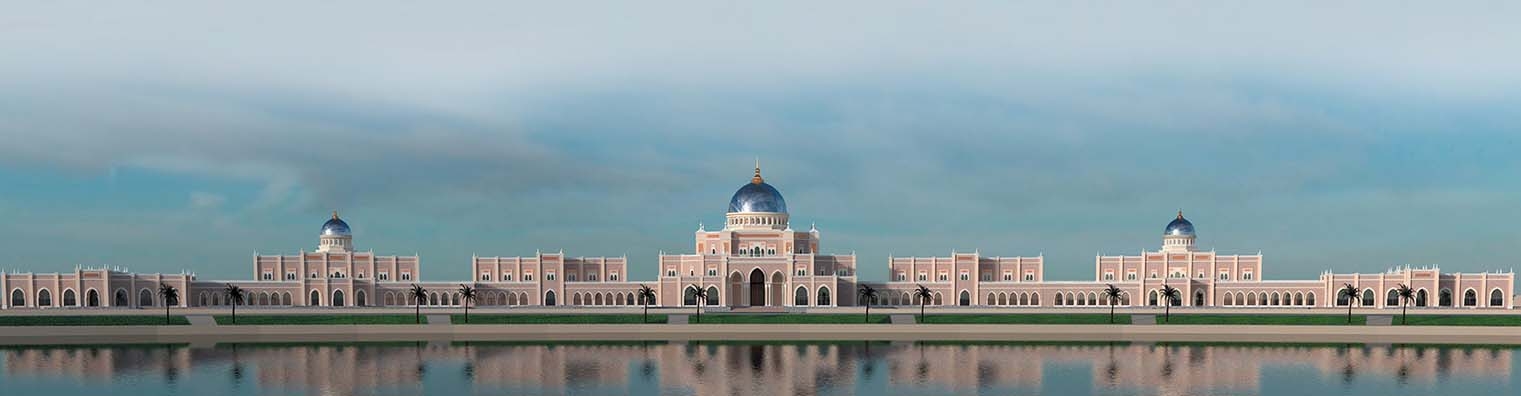
In the UAE, the University of Kalba offers a bachelor’s program in sport science through the College of Sport Science. The four-year program covers all aspects of sport science and prepares the graduates to work in multiple sectors including physical education teaching, sport coaching, fitness coaching, training and recovery monitoring, and sport management and leadership roles.